
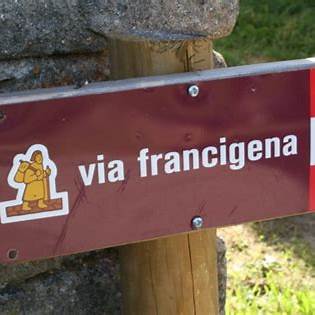
I walked the Via Francigena through Lunigiana with Aulla as my hinge point, and I keep coming back to this area. It is not only because the route works well, but because this is a part of Italy where I have had many, many happy holidays. Over the years I have returned to discover the land and the people, slowly and properly, not as a quick stop on the way to somewhere else. That is why I am quite opinionated about the best way to do this stretch: it deserves your time.
Aulla is the kind of town that makes a long-distance route work. It is practical (easy to reach and easy to resupply), but it also sits in a landscape that feels quietly authentic. If you are choosing only one section in this area, this is the one I would prioritise: arrive into Aulla, take time for the Brunella viewpoint and San Caprasio, then walk on towards Sarzana. It gives you the best mix of pilgrim-route atmosphere, strong landmarks, and a clear sense of moving from inland Tuscany towards Liguria.
The best way to structure it
Option A (my preferred flow, 2 days walking):
- Day 1: Pontremoli to Aulla, with a sensible pace and a relaxed arrival.
- Day 2: Aulla to Sarzana, leaving early enough to enjoy the scenery and still arrive with energy for a proper evening.
Option B (if you want a lighter first day):
If the Pontremoli to Aulla day feels too long for your schedule or fitness, I would shorten it using local transport for part of the way, then walk the final portion into Aulla. You still get the satisfaction of arriving on foot, but you protect the legs and keep your rhythm for the onward stage.
What to do in Aulla before you walk on

Aulla is not just a bed-for-the-night, and it is worth treating it as a proper stop rather than a transit point.
Start with the Fortezza della Brunella.
I always recommend this first, ideally late afternoon if you arrive the day before walking on. It is your “map in real life”. From up there you can see how the valley sits, where the river corridors run, and why this town mattered. It also sets the tone: you are in Lunigiana now, a borderland landscape with castles and fortifications rather than big-ticket Tuscan set pieces.
Then make time for San Caprasio.
For me, this is the Francigena anchor in Aulla. It is the place that reminds you the route is not only about walking, but about layers of history and the practical realities of pilgrimage. Even a short pause here shifts your mindset from logistics to journey.
The route I advise: Aulla to Sarzana
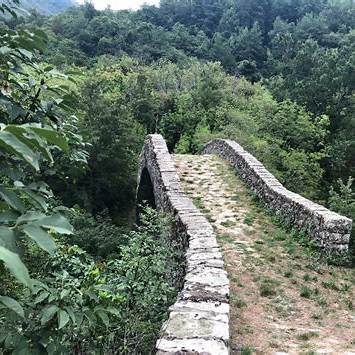
This is the leg that most people remember, because it feels like you are travelling between worlds. You leave a working valley town and start to sense the route drawing you towards larger settlements and the coastal plain.
My practical advice is simple:
- Leave Aulla early, while the town is still quiet. It makes the first hour calmer and more purposeful.
- Keep your stops intentional. I prefer fewer, longer stops rather than constant short breaks. It keeps you warm and reduces the stop-start strain on knees and hips.
- Treat the castles and fortified points as route markers. This part of Lunigiana rewards you when you look up. The landscape tells you where you are going.
As you progress, the feel changes. The countryside opens out, the air often feels lighter, and you start to pick up that “approaching Liguria” energy. Arriving into Sarzana feels earned, and it is a satisfying place to land because it has life, services, and enough character for a proper evening.
What I love most about this stretch is the sense of continuity. You are walking through a lived landscape, not a museum. People are getting on with their day, neighbours stop to chat, and you often find that small gestures carry the day: a warm greeting, a quick recommendation, a shopkeeper who wants to know where you started and where you are headed. Those human moments are part of why I have returned here so often, and why I always encourage walkers not to rush through.
What you can see and do nearby

If you have half a day spare around Aulla, I suggest one of these rather than trying to cram everything in:
1) A hill village detour in Lunigiana (best atmosphere per hour).
Pick one village and do it properly. A coffee, a slow wander, a viewpoint, then back. Lunigiana villages reward patience. They are not built for rushing, and the pleasure is in noticing the detail: stone steps worn smooth, a view that opens suddenly, a quiet church, a bar where everyone seems to know each other.
2) A history-focused add-on (best for non-walkers travelling with you).
If you are mixing walking with cultural stops, consider an archaeological visit such as Luni on the broader route south. It breaks up the itinerary nicely and gives you something that is not “another beautiful view”, but genuinely different.
Where to stay: what actually works on this stretch
I would choose accommodation based on the type of walking you are doing, not based on what looks prettiest online.
If you are walking pilgrim-style (budget, simplicity, early start):
Use official Via Francigena accommodation listings and aim for places that understand walkers: flexible arrival, somewhere to dry kit, and an early breakfast option.
If you want comfort and recovery (better sleep, fewer compromises):
Choose a small hotel or B&B in or close to Aulla so you can arrive, shower, eat, and reset with minimal hassle. Aulla is practical, so I optimise for convenience here. Save the agriturismo night for a stage where you have time to linger.
If you are blending rail and walking:
Stay close enough to Aulla’s transport links that you can adjust plans without stress. This is particularly useful if weather turns or if you want to shorten a stage.
My final advice
Aulla rewards a disciplined approach. Do not over-plan it, but do not rush it either. Use it to reset your rhythm, take the Brunella viewpoint seriously, give San Caprasio a proper pause, then walk on to Sarzana with an early start.
And if you can, give yourself permission to do what I have done over many holidays: return. Lunigiana reveals itself over time. The more you come back, the more you notice, and the more the people and the landscape start to feel familiar. That is when this stretch of the Via Francigena stops being a route you walk once, and becomes a place you genuinely know.
 Off The Beaten Track Italy
Leave a comment