
Off the Beaten Track Italy · Basilicata
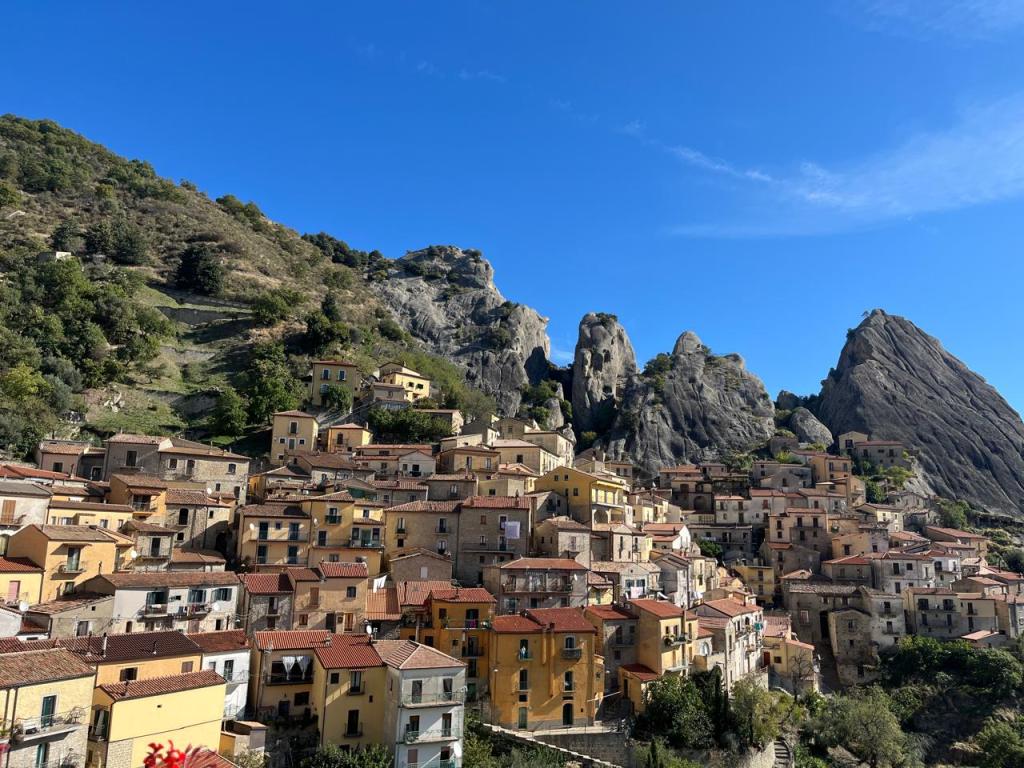
There are villages in Italy you stumble upon, and there are villages that feel like they have been hiding from you on purpose. Castelmezzano belongs firmly to the second kind. Tucked deep into the heart of Basilicata, in the wild folds of the Lucanian Dolomites, this tiny stone settlement of fewer than 800 souls clings to a vertical wall of rock as if it grew there. Drive in at dusk, when the sandstone spires turn the colour of rust and the village windows begin to glow one by one, and you will understand why so few travellers know about it — and why those who do tend to keep it to themselves.
A village the guidebooks forgot
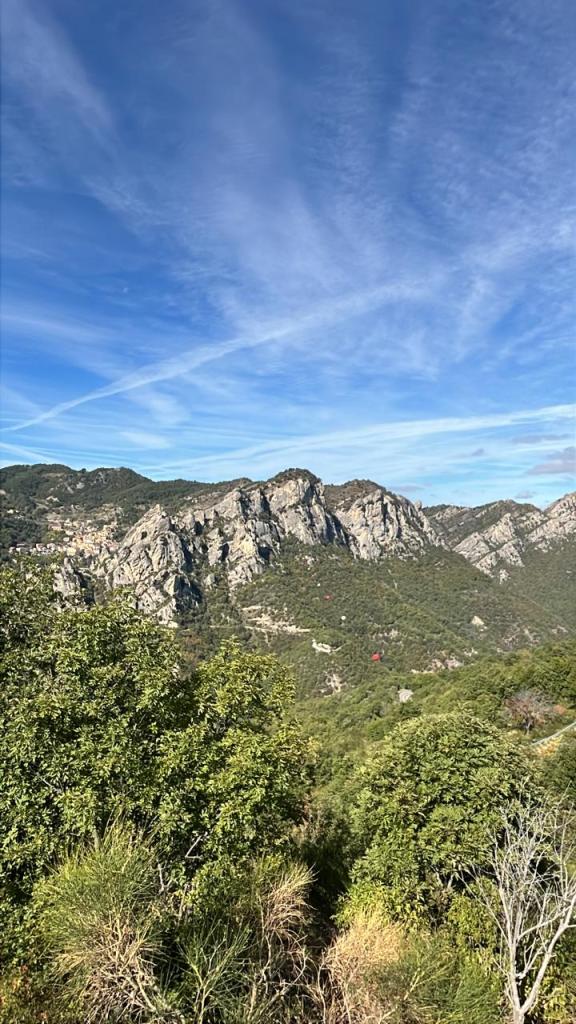
While coachloads pour into Matera and the Amalfi Coast, Castelmezzano remains gloriously, almost stubbornly, off the radar. There is no train station, no motorway exit, no flashing brown sign on the highway. You reach it by winding mountain road from Potenza, climbing through chestnut forests until the Dolomiti Lucane suddenly tear up out of the landscape — jagged, prehistoric, completely unexpected in a region most people associate with sun-baked hills. The village itself is a maze of stone staircases, vaulted passageways and houses carved half into the cliff. Cars are left at the edge; the rest is done on foot, slowly, with your head tilted upward.
Walking between earth and sky
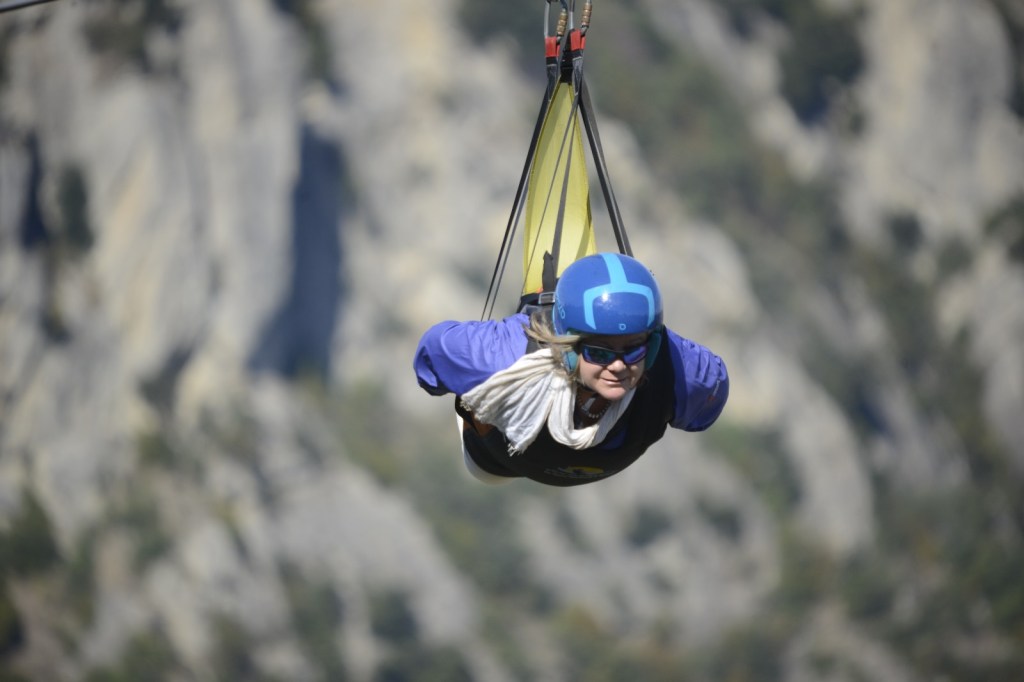
Castelmezzano shares its valley with an equally improbable twin, Pietrapertosa, perched on the opposite ridge. The two are linked by the Sentiero delle Sette Pietre, the Path of the Seven Stones — a gentle, beautifully signposted trail inspired by local writer Mimmo Sammartino’s tales of village witches and harvest rituals. It is the kind of walk where you stop more than you step: for the silence, for a flash of kestrel overhead, for the smell of wild fennel warming in the sun. For the brave, there is the Volo dell’Angelo, the “Flight of the Angel,” a steel cable that launches you between the two villages at over 100 km/h. It is exhilarating, slightly absurd, and somehow entirely in keeping with a place this dramatic.
Tastes of the Lucanian highlands
Eat where the locals eat. Tiny family-run trattorias serve peperoni cruschi (crisp, sun-dried sweet peppers), hand-rolled strascinati pasta with breadcrumbs and pecorino, lamb slow-cooked with mountain herbs, and a fiercely good local olive oil. Wash it down with Aglianico del Vulture, the brooding red wine grown on the volcanic soils just over the next mountain. Portions are generous, prices are honest, and the welcome is the kind that ends with a homemade digestivo on the house.
When to go, and how to do it right
Late spring and early autumn are kindest: wildflowers or amber light, cool mornings, no crowds. Stay at least one night — ideally two — in a small B&B inside the old village. Day-trippers miss the best part: the moment the last visitors leave, the church bell rings across the gorge, and Castelmezzano returns to itself. Stand on a balcony then, with the stars sharpening above the Dolomiti Lucane, and you will know exactly why some corners of Italy are worth the long drive.
More hidden corners of Italy at www.off-thebeaten-track-italy.com
 Off The Beaten Track Italy
Leave a comment